Key Takeaways
- Glutathione is a powerful antioxidant produced naturally in your cells, composed of three amino acids: glutamate, glycine, and cysteine.
- It protects cells from damage, neutralizes toxins, supports the immune system, and is essential for liver health.
- You can help support healthy glutathione levels through specific foods, lifestyle choices, and targeted supplements like NAC.
What Is Glutathione?
Glutathione is a small protein molecule composed of the amino acids glutamate, cysteine, and glycine. It is one of the most important compounds that every cell in your body produces.
What Does Glutathione Do?
Glutathione helps protect our cells from damage and aids in detoxifying harmful compounds.
Over the course of 100 years of research, more than 100,000 scientific papers have established maintaining cellular glutathione levels as one of the most important keys in maintaining proper cellular function, immune health, and supporting healthy aging.
This article will explore the top evidence-based benefits and how to increase your levels.
5 Benefits Of Glutathione
- It is an antioxidant. Glutathione is the cell’s major antioxidant to protect the cell from damage. It is also critical to the recycling and proper utilization of other antioxidants such as vitamins C and E.
- It has immune system effects. Glutathione protects immune cells from damage. It is also critical in modulating balance within the immune system. It boosts functions when the immune system is underactive and brings it back into balance when it is overactive.
- It has mitochondrial effects. Glutathione plays a critical role in the function of mitochondria (the energy-producing compartments in cells).
- It is critical to cellular function. Glutathione is required for the manufacture of many cellular proteins, the synthesis and repair of DNA, the activation and regulation of cellular enzymes involved in overall cell function, and the proper action of vitamin D3.
- It is a detoxifying compound. Glutathione is the body's most effective compound involved in normal detoxification processes. Glutathione binds undesirable toxins, pollutants, chemicals, heavy metals, and drug metabolites and excretes them through the urine or the gut.
Sources Of Glutathione
Glutathione Foods
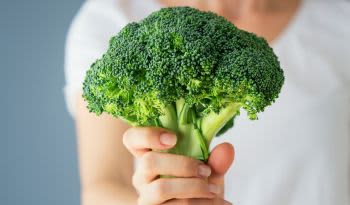
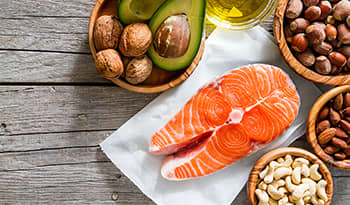
Diet can help raise glutathione levels, but only to a limited extent. The human body, mainly the liver, makes about 8,000 to 10,000 mg of glutathione daily. To put this amount into perspective, a healthy diet rich in fresh fruit and vegetables may provide about 150 mg of preformed glutathione per day. That said, the cell strives to hang on to glutathione, so the cumulative effects of higher dietary glutathione intake are certainly an important goal. Asparagus, avocado, and walnuts are all well-known sources of glutathione.
Glutathione Supplements
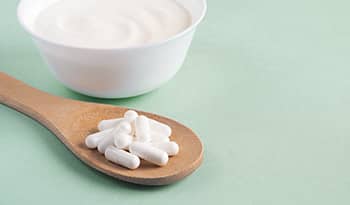
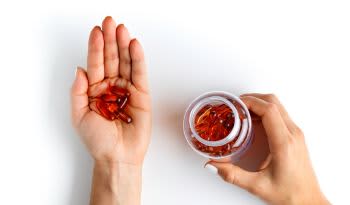
The most popular supplemental approaches to boost glutathione levels involve taking either glutathione or N-acetylcysteine. Prior to recent studies, there was some controversy with glutathione as a dietary supplement because it was thought that glutathione may not be absorbed when taken orally. One early study is often cited to show a lack of absorption. In the study, a single dose of 3,000 mg of glutathione failed to increase glutathione levels in the blood. However, it turns out there is another reason. Researchers were looking for free glutathione levels, and because glutathione is so valuable, it is quickly bound to transport proteins to be carried to cells, causing it to not show up as free glutathione in the blood.
Frequently Asked Questions About Glutathione
Is it better to take glutathione or NAC?
Choosing between glutathione and N-acetylcysteine (NAC) depends on your specific health goals. While the choice can be like "splitting hairs," there are key differences in how they work.
Advantages of Glutathione:
- It is the preformed, active compound. When you take a glutathione supplement, your body is getting the complete, ready-to-use "master antioxidant."
Advantages of NAC (N-Acetylcysteine):
- It provides the key building block for your body to produce its own glutathione. NAC is a form of the amino acid cysteine, which is essential for glutathione synthesis.
- It offers targeted respiratory support. NAC may help support healthy lung function, as well as gastrointestinal health.
Can glutathione supplements be absorbed orally?
Yes, while this was once a topic of debate, recent clinical studies have confirmed that glutathione can be effectively absorbed orally when taken as a supplement. Older studies often missed this effect because they failed to measure glutathione that travels through the blood bound to proteins.
References:
- Forman HJ, Zhang H, Rinna A. Glutathione: overview of its protective roles, measurement, and biosynthesis. Mol. Aspects Med. 2009;30, 1−12.
- Dwivedi D, Megha K, Mishra R, Mandal PK. Glutathione in Brain: Overview of Its Conformations, Functions, Biochemical Characteristics, Quantitation and Potential Role in Brain Health. Neurochem Res. 2020;45(7):1461-1480. (Removed: "Therapeutic Role in Brain Disorders")
- Dröge W, Breitkreutz R. Glutathione and immune function. Proc Nutr Soc. 2000;59(4):595-600.
- Fraternale A, Brundu S, Magnani M. Glutathione and glutathione derivatives in immune support. Biol Chem. 2017;398(2):261-275. (Removed: "immunotherapy")
- Fraternale A, Paoletti MF, Casabianca A, et al. Immune-supporting and immunomodulatory properties of new pro-glutathione (GSH) molecules. Curr Med Chem. 2006;13(15):1749-1755. (Removed: "Antiviral")
- Jones DP, Coates RJ, Flagg EW, et al. Glutathione in foods listed in National Health Habits and History Food Frequency Questionnaires. Nutr Cancer 1995;17:57-75. (Removed: "Cancer Institutes")
- Witschi A, Reddy S, Stofer B, Lauterburg BH. The systemic availability of oral glutathione. Eur J Clin Pharmacol 1992;43(6):667-9.
- Kovacs-Nolan J, Rupa P, Matsui T, et al. In vitro and ex vivo uptake of glutathione (GSH) across the intestinal epithelium and fate of oral GSH after in vivo supplementation. J Agric Food Chem. 2014;62(39):9499-9506.
- Park EY, Shimura N, Konishi T, et al. Increase in the protein-bound form of glutathione in human blood after the oral administration of glutathione. J Agric Food Chem. 2014;62(26):6183-6189.
- Richie JP Jr, Nichenametla S, Neidig W, et al. Randomized controlled trial of oral glutathione supplementation on body stores of glutathione. Eur J Nutr. 2015;54(2):251-263.
- Yamada H, Ono S, Wada S, et al. Statuses of food-derived glutathione in intestine, blood, and liver of rat. NPJ Sci Food. 2018;2:3.
- Sacco R, Eggenhoffner R, Giacomelli L. Glutathione and liver health: insights from clinical practice. Minerva Gastroenterol Dietol. 2016;62(4):316-324. (Removed: "in the treatment of liver diseases")
- Kessoku T, Sumida Y, Imajo K, et al. Efficacy of Glutathione for Liver Health Support: An Open-Label, Multicenter, Prospective Study. J Hepatology 2016;64(2):S500. (Removed: "Treatment of Non-Alcoholic Fatty Liver Disease")
- Šalamon Š, Kramar B, Marolt TP, Poljšak B, Milisav I. Health and Dietary Uses of N-Acetylcysteine. Antioxidants (Basel). 2019;8(5):111. (Removed: "Medical")
- Pei Y, Liu H, Yang Y, et al. Biological Activities and Potential Oral Applications of N-Acetylcysteine: Progress and Prospects. Oxid Med Cell Longev. 2018;2018:2835787.
- Elbini Dhouib I, Jallouli M, Annabi A, Gharbi N, Elfazaa S, Lasram MM. A minireview on N-acetylcysteine: An old compound with new approaches. Life Sci. 2016;151:359-363. (Removed: "drug")
- Santus P, Corsico A, Solidoro P, Braido F, Di Marco F, Scichilone N. Oxidative stress and respiratory health: a reappraisal of N-acetylcysteine. COPD. 2014 Dec;11(6):705-1. (Removed: "respiratory system: pharmacological and clinical reappraisal")
- Stey C, Steurer J, Bachmann S, Medici TC, Tramer MR. The effect of oral N-acetylcysteine in respiratory health: a quantitative systematic review. Eur Respir J 2000;16(2):253-62. (Removed: "chronic bronchitis")
- Grandjean EM, Berthet P, Ruffmann R, Leuenberger P. Efficacy of oral long-term N-acetylcysteine for respiratory support: a meta-analysis of published double-blind, placebo-controlled clinical trials. Clin Ther 2000;22(2):209-21. (Removed: "in chronic bronchopulmonary disease")
DISCLAIMER:
These statements have not been approved by the Food and Drug Administration. These products are not intended to diagnose, treat, cure or prevent disease.


























































 Table of Contents