Key Takeaways
- Moringa powder has a mild, earthy, slightly grassy flavor that folds into both drinks and food: smoothies, lattes, dressings, energy bites, soups, and baked goods.
- A typical culinary amount is ½–2 tsp per serving. Start low; the flavor is easy to overdo.
- Some moringa compounds, especially vitamin C and certain polyphenols, can decline with prolonged high heat. Use the powder in no-cook recipes or add it near the end of cooking when practical; minerals, fiber, and protein are much less affected.
- Pair it with banana, pineapple, citrus, cacao, ginger, honey, or coconut to balance the green, earthy taste.
- Store moringa powder in a tightly closed container away from heat, moisture, and direct light. Follow the manufacturer’s best-by date and replace it if the aroma becomes stale, the powder clumps from moisture, or the color changes.
- For what moringa actually is, its full nutrition, and the evidence behind its benefits, see our guide to moringa powder.
Why Cook With Moringa?
Moringa powder is one of the most versatile green superfoods to cook with, but its earthy, slightly grassy flavor throws people off at first. This guide covers how to use moringa powder without it taking over a dish, how much to use, how to protect its nutrients from heat, which flavors balance it, plus a set of easy recipes from a green latte to no-bake key lime pie.
Moringa powder is made from dried, milled leaves of Moringa oleifera. It supplies protein, fiber, minerals, carotenoids, and polyphenols, although the amount delivered by a teaspoon is modest and varies substantially among products. A small culinary serving contributes some calories and nutrients; it should not be described as calorie-free or as a substitute for vegetables or a balanced diet.1,2
How Much Moringa Powder Should You Use?
Start with ½ teaspoon per serving and increase to 1–2 teaspoons if you enjoy the flavor. Teaspoon weights vary with grind and packing, so use the gram amount on the product label when precision matters. There is no established optimal daily amount for moringa leaf powder, and more is not necessarily better. If you prefer to avoid the flavor, capsules are another option, but they should be used according to the label directions.
The One Rule That Matters: Keep the Heat Low
Heat affects moringa compounds differently. Vitamin C and some phenolic compounds can decline during prolonged boiling or baking, while minerals, fiber, and protein remain comparatively stable. For maximum retention and brighter color, stir the powder into finished soups, sauces, or oatmeal; whisk it into warm rather than boiling liquid; or use it in smoothies, dressings, and no-bake foods. Cooking with moringa is still reasonable—it simply changes the nutrient profile rather than eliminating all nutritional value.1,2
How to Balance the Flavor
Moringa tastes earthy and vegetal, close to matcha or spinach, with a grassy edge if you use too much. The easiest way to make it enjoyable is to pair it with a strong partner flavor: banana and pineapple in smoothies, cacao or vanilla in lattes, citrus and honey in dressings, or ginger and coconut in warm drinks. Blending or whisking rather than stirring also smooths out the texture, since the powder can clump.
Moringa Powder Recipes
Here are simple, reliable ways to use moringa, starting with drinks and moving to food.
Moringa Green Smoothie
A 5-minute smoothie is the most forgiving way to start, because the fruit carries the moringa.
Ingredients
- 1 cup plant milk (almond, oat, or coconut)
- 1 frozen banana
- ½ cup frozen pineapple or mango
- 1 tsp moringa powder
- Optional: 1 tsp chia or flax, a few dates or a drizzle of honey
Instructions
- Add everything to a blender.
- Blend until smooth and creamy.
- Serve immediately for the brightest color.
Moringa Latte
A warm, caffeine-free green latte is a gentle alternative to coffee.
Ingredients
- 1½ cups coconut or almond milk
- 1½ rounded tsp moringa powder
- 1½ tsp honey or allulose
Instructions
- Combine the moringa powder and honey in a mug and mix well.
- Gently warm the milk until steaming, not boiling.
- Pour a little warm milk into the moringa mixture and whisk smooth.
- Add the rest of the milk, whisk again until frothy, and serve.
Moringa Salad Dressing
A way to get moringa into a savory meal without cooking it at all.
Ingredients
- 3 Tbsp olive oil
- 1 Tbsp lemon juice or apple cider vinegar
- 1 tsp honey or maple syrup
- ½ tsp moringa powder
- 1 small garlic clove, minced; salt and pepper to taste
Instructions
- • Whisk all ingredients in a bowl or shake in a sealed jar.
- Taste and adjust acidity or sweetness.
- Dress greens just before serving.
Moringa Energy Bites (no-bake)
Portable, no-heat, and a good use for a small amount of moringa.
Ingredients
- 1 cup rolled oats
- ½ cup nut butter
- ⅓ cup honey or maple syrup
- 2 tsp moringa powder
- ¼ cup seeds or mini dark chocolate chips
Instructions
- Mix everything in a bowl until it holds together.
- Roll into 1-inch balls.
- Chill 30 minutes before eating; store in the fridge.
Moringa Key Lime Pie (no-bake)
Naturally green and mildly herbaceous; dairy-free and refined-sugar-free. Serves 8–12.
Ingredients
- 1½ cups cashews
- 2 cups pecans
- ¼ cup dried shredded coconut
- 1 cup Medjool dates
- 2 tsp moringa powder
- 3 key limes, juiced
- 1 avocado
- ½ cup coconut cream
- ¼ cup melted coconut oil
- ⅓ cup honey, maple syrup, or agave
Instructions
- Soak the cashews in water overnight.
- Pulse the pecans to a crumb texture.
- Add dates and coconut; process until a dough forms.
- Press the dough over the base of a 9-inch pan.
- Blend soaked cashews with remaining ingredients until creamy.
- Pour over the crust and freeze until firm.
- Thaw 15 minutes before serving.
Moringa Meatballs
Moringa’s savory side suits meatballs. Makes about two dozen.
Ingredients
- 1 cup almond milk
- 4 eggs
- 1 cup cheese
- 1⅓ cup almond flour
- 4 cloves garlic, minced
- 1 onion, finely minced
- 2 tsp sea salt
- ½ tsp pepper
- 1 tsp dried oregano
- 2 Tbsp dried basil
- 2 tsp moringa powder
- 1 tsp turmeric powder
- 2 lb ground beef, turkey, pork, or chicken
Instructions
- Preheat the oven to 350°F and line a tray with parchment.
- Whisk the almond milk and eggs in a large bowl.
- Add everything except the meat and stir well.
- Gently mix in the ground meat by hand.
- Form 2-inch meatballs.
- Bake for about 25–30 minutes, until the centers reach 160°F for ground beef or pork, or 165°F for ground poultry. Cooking time varies with meatball size and oven accuracy, so verify doneness with a food thermometer.3
Can You Bake With Moringa Powder?
You can bake with moringa powder, but the green color may dull, and heat-sensitive nutrients may decline. Baking does not destroy everything: protein, fiber, and minerals are relatively stable, and some polyphenols may remain. Use moringa in muffins, pancakes, breads, and other batters when you want its flavor and color; choose smoothies, yogurt, dressings, frostings, or no-bake recipes when retaining heat-sensitive compounds is the priority.1,2.
Which Flavors Pair Best With Moringa?
Moringa’s earthy, grassy profile is easiest to enjoy next to a bolder or sweeter partner. Fruit works best in drinks: banana, mango, and pineapple round it off in smoothies, while cacao, vanilla, cinnamon, and ginger suit warm lattes. In savory food, moringa sits comfortably with garlic, lemon, olive oil, and herbs, which is why it disappears neatly into dressings, dips, and soups. The flavors to avoid pairing it with are delicate ones that it will overpower, like a mild broth or a plain custard.
Moringa Powder vs. Fresh Moringa Leaves for Cooking
Most people cook with the powder because it stores longer and blends easily, but fresh moringa leaves are also edible and common in South Asian and African cooking, where they go into curries, dals, soups, and stir-fries much like spinach. Fresh leaves are milder and less concentrated, so recipes use a large handful rather than a teaspoon; the powder is stronger and more convenient but easier to overdo. If you have access to fresh leaves, treat them as a leafy green and add them near the end of cooking; if you’re using powder, the recipes above are built for it.
More Quick Ways to Use Moringa Powder
Beyond full recipes, moringa slots into things you already make: stir ½ tsp into oatmeal or yogurt off the heat; whisk it into guacamole or hummus for color and nutrients; sprinkle it into soup just before serving; blend it into pancake or muffin batter; or shake it into a bottle of water with lemon for a quick green drink. You can also brew it as a simple tea. See our guide to moringa tea for how to do that well.
How to Choose a Moringa Powder
Look for a product that identifies the ingredient specifically as Moringa oleifera leaf powder. The leaf is not interchangeable with moringa seed, root, or bark. Choose packaging that limits light and moisture exposure, and check for a clearly stated serving size, lot number, best-by date, and manufacturer contact information.
Because plant powders can vary in microbial quality and contaminant levels, products from manufacturers that use appropriate identity, microbial, heavy-metal, and pesticide testing offer greater assurance. “Organic” describes how the crop was produced; it does not by itself confirm potency, freshness, or freedom from microbial contamination.4
How to Store Moringa Powder
Keep moringa powder tightly closed in its original container or an opaque airtight container, away from the stove, sunlight, humidity, and wet utensils. Follow the labeled best-by date rather than an arbitrary three-to-six-month cutoff. Discard the powder if it develops visible mold, insect activity, an off odor, or moisture-related clumping. A gradual shift from vivid green toward olive is usually a quality change, but a marked change can indicate age or poor storage.
A Note on Safety
Moringa leaf has a history of food use, but concentrated powders and extracts have less extensive safety data than ordinary culinary greens. Start with a small amount because gastrointestinal upset can occur. People who are pregnant or breastfeeding, have a medical condition, or take glucose-lowering, blood-pressure, anticoagulant, or other prescription medication should ask a healthcare professional before using moringa regularly. Evidence for specific drug interactions is limited, so the concern is precautionary rather than proof that a clinically important interaction will occur. Avoid products made from moringa root or bark for routine internal use; their chemistry and safety differ from those of the leaf.1,4
FAQ
How do you use moringa powder?
Add ½ to 2 tsp to smoothies, lattes, dressings, oatmeal, soups (off the heat), or no-bake treats. Keep the heat low to protect its nutrients and green color, and pair it with a strong flavor like banana or cacao.
How much moringa powder should I use per day?
There is no established optimal daily amount. A practical culinary range is ½–2 teaspoons daily, but serving weights vary. Start low, follow the product label, and consider the rest of your diet and any medications.
Can you cook or bake with moringa powder?
Yes. Prolonged high heat may reduce vitamin C, color, and some polyphenols, but it does not eliminate the powder’s protein, fiber, or minerals. Add moringa late in the cooking process when practical, or use it in no-bake recipes when maximum retention is the goal..
What does moringa powder taste like in food?
Earthy and vegetal, like matcha or spinach, with a grassy edge if you use too much. Fruit, cacao, citrus, and honey balance it well.
Can I put moringa powder in coffee or tea?
You can whisk it into a warm latte or brew it as a simple tea. For getting the tea right, see our moringa tea guide.
Does heating moringa destroy its nutrients?
High heat reduces its antioxidant compounds and fades the green color, so gentle, late, or no-heat additions preserve the most.
How do I stop moringa powder from clumping?
Blend it, use a whisk or frother, or bloom it in a little hot water into a paste before adding the rest of the liquid.
How long does moringa powder last?
Follow the product’s best-by date and store it tightly closed, dry, cool, and away from light. Replace it if it develops moisture clumps, mold, an off odor, insect activity, or a marked change in color.
Can you eat moringa powder raw?
Yes. Moringa powder needs no cooking and is often best added raw or off the heat into smoothies, yogurt, dressings, or water, which also preserves more of its heat-sensitive compounds.
Which dish is easiest to start with?
A smoothie or a latte. Both let a strong flavor (fruit or cacao) carry the moringa, so a small amount blends in smoothly while you get used to the taste.
Conclusion
The easiest way to use moringa powder is to start with a small amount and pair its earthy flavor with fruit, cacao, citrus, ginger, or coconut. No-cook and late-addition recipes preserve its bright color and more of its heat-sensitive compounds, but moringa can also be baked or cooked. Start with a smoothie or latte, then try dressings, energy bites, soups, and savory dishes. Browse moringa powders and other green superfoods on iHerb to stock your kitchen.
This article is for educational purposes and is not medical advice. Consult a qualified healthcare professional before adding any supplement to your routine, especially if you are pregnant, nursing, or taking medication.
References:
- Camilleri E, Blundell R. A comprehensive review of the phytochemicals, health benefits, pharmacological safety and medicinal prospects of Moringaoleifera. Heliyon. 2024 Mar 8;10(6):e27807.
- Giuberti G., Rocchetti G., Montesano D., Lucini L. The potential of Moringa oleiferain food formulation: a promising source of functional compounds with health-promoting properties. Curr. Opin. Food Sci. 2021 Dec 1;42:257–269.
- US Department of Agriculture Food Safety and Inspection Service. Safe Minimum Internal Temperature Chart. Accessed September 10, 2026. https://www.fsis.usda.gov/food-safety/safe-food-handling-and-preparation/food-safety-basics/safe-temperature-chart
- 4. Stohs SJ, Hartman MJ. Review of the safety and efficacy of Moringa oleifera. Phytother Res. 2015;29(6):796-804. doi:10.1002/ptr.5325
DISCLAIMER:
These statements have not been approved by the Food and Drug Administration. These products are not intended to diagnose, treat, cure or prevent disease.
























































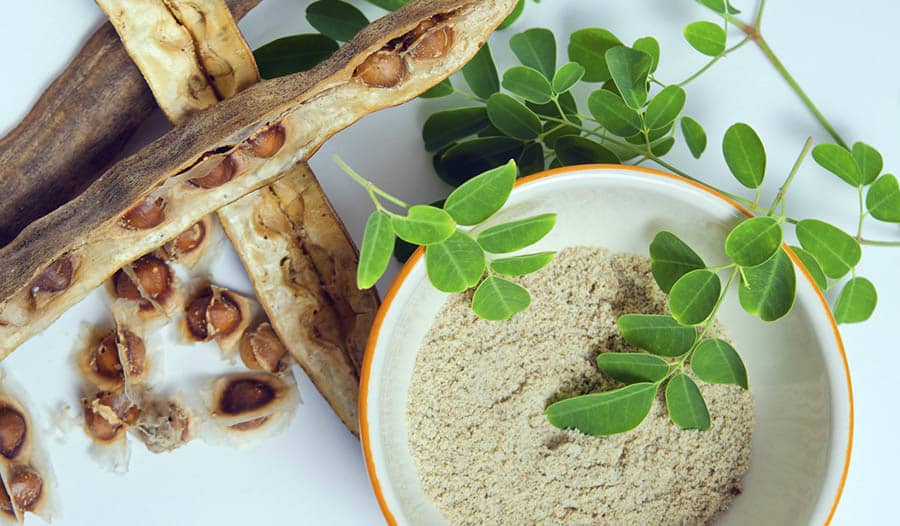
 Table of Contents