Key Takeaways
- Blue Zones are regions associated with longer life expectancy. These areas have been studied for shared lifestyle and dietary patterns.
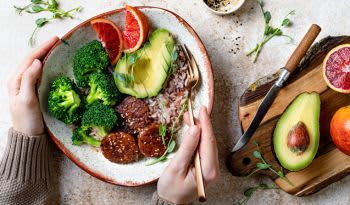
- Plant-forward eating is a common theme in Blue Zone diets: Beans, vegetables, whole grains, nuts, and fruits are frequently included in daily meals.
- Lifestyle habits extend beyond food choices: Physical activity, social connection, purpose, and stress management are all associated with Blue Zone living.
- Meals are often built around minimally processed foods: Home cooking and simpler ingredient lists are recurring patterns across Blue Zone communities.
- No single “Blue Zone diet” exists: Eating habits vary by region, culture, and local food availability.
The blue zones are five areas of the world where people frequently live to be 100 years old or older. In addition to living longer lives, people who live in these blue zones tend to also be healthier and suffer from fewer chronic diseases.
Given their unique traits, researchers have set out to discover what has led to these people’s long and healthy lives. Not surprisingly, their diet is a major contributor to their longevity. Thus, it is believed that knowing about and eating more of the blue zone foods may help increase the length and quality of your life as well.
What Are Blue Zone Foods?
While the blue zones span all across the world and cover significantly different cultures, their diet does have some common factors, such as:
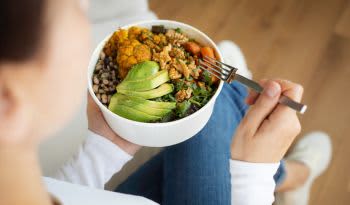
- Including primarily plant-based foods (ideally at least 95% of the diet)
- Being made up of more whole foods over highly processed versions
- Being rich in healthy fats
- Including many different herbs and spices
Top Blue Zone Foods
With those factors in mind, here are examples of 6 different food types commonly eaten in the blue zones:
1. Beans and other legumes
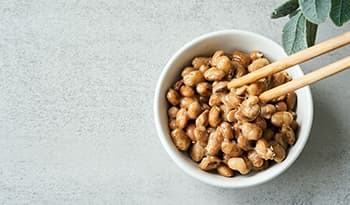
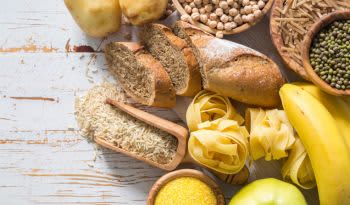
Beans are a staple in many of the blue zone cultures. In fact, it is recommended to eat at least ½ cup of cooked beans each day as part of the blue zones diet. The type of bean or legume eaten may depend on the blue zone area, but all can provide health benefits. Examples include:
- Black beans
- Garbanzo beans (aka chickpeas)
- Soybeans
- Lentils
Beans are extremely nutrient-dense. In addition to vitamins and minerals, they offer a good source of plant-based protein and beneficial fiber and are also very low in fat. It makes sense, then, why research has shown that people who eat more beans tend to have a 6-9% lower risk of death from all causes.
2. Olive oil
Olive oil is one of the healthiest fat sources there is. Some of the main benefits of olive oil include being rich in antioxidants while also helping fight against inflammation. Each of these benefits contributes greatly to a reduced disease risk. Olive oil is a known staple in the Mediterranean diet, which makes up 2 out of the 5 blue zone areas of Greece and Italy. Some of the healthiest ways to use olive oil include drizzling it on vegetables and salads, using it as a dip for whole-grain breads, or using it in low-heat cooking.
3. Colorful fruits and vegetables
A healthy diet wouldn’t be complete without colorful fruits and vegetables. So it makes sense that people in the blue zones are known for eating a variety of them, especially things like berries, leafy greens, and tomatoes. Fruits and vegetables are rich in beneficial fiber and, like olive oil, they also contain antioxidants and have anti-inflammatory properties. In addition, they provide an excellent source of many vitamins and minerals like folate, vitamin C, and potassium.
4. Whole grains
Whole-grain bread can be found in all of the blue zone cultures. This, along with sourdough bread, is the main 2 types of bread eaten. Whole-grain bread is less processed than the refined and highly processed white breads commonly eaten in most other parts of the world. Whole grains also have higher amounts of naturally occurring dietary fiber, along with minerals like magnesium, iron, and phosphorus. Eating whole grains is associated with a reduced risk of heart disease, type 2 diabetes, and chronic disease.
Aside from bread, other types of healthy whole grains include:
- Brown rice
- Oats
- Quinoa
- Foods made with whole-grain flour, like whole-wheat tortillas and some types of pasta
5. Nuts
The blue zones diet recommends eating at least two handfuls of nuts per day. Like beans, nuts are rich in both dietary fiber and plant-based protein. Unlike beans, though, nuts have the added benefit of also being rich in healthy unsaturated fats. This, combined with the fact that nuts are rich in numerous essential vitamins and minerals, makes them a well-rounded nutritional powerhouse.
To get the most benefit, it’s best to aim to eat a variety of nuts each week, such as almonds, pistachios, and walnuts.
6. Food closest to its natural state
People in the blue zones traditionally eat whole, minimally processed foods. They don’t tend to add extra ingredients or take away others in order to change the nutritional profile of their foods. Examples of eating food closest to its natural state include:
- Eating a whole egg, rather than the egg white
- Eating a whole fruit, rather than drinking just the juice
- Consuming full-fat yogurt instead of the skimmed kind
If you’re wondering what people in the blue zones drink, there are a few healthy beverages to choose from:
- Water
- Coffee or tea (preferably unsweetened)
- Red wine (in moderation, and only for people who currently already drink alcohol)
What Foods Should You Avoid on the Blue Zone Diet?
Just as important as the foods to include in your diet for longevity are the foods to limit or avoid. These foods include:
- Added sugar from things like sweetened beverages, desserts, and packaged foods
- Meat, especially red and processed meats
- Highly processed foods, such as convenience and fast foods
- Refined carbohydrates, like white rice and white breads
When it comes to dairy products, most are limited in the blue zone cultures, especially products from cows. Sheep and goat milk products like yogurt are eaten sparingly.
In Summary
Blue zone foods are those commonly eaten in the five areas of the world where people tend to live the longest. They include mostly plants and healthy fat sources, with animal products being used sparingly. Frequently eating blue zone foods may increase your own longevity while also improving your overall health and quality of life.
References:
- Blue Zones Kitchen. (2024). The Blue Zones food guidelines: Dietary principles of the world's longest-lived populations. Blue Zones Lifestyle Library.
- Buettner, D., & Skemp, S. (2016). Blue Zones: Lessons from the world's longest lived. American Journal of Lifestyle Medicine, 10(5), 318–321.
- McRae, M. P. (2017). Health benefits of dietary whole grains: An umbrella review of meta-analyses. Journal of Chiropractic Medicine, 16(1), 10–18.
- Ros, E. (2010). Health benefits of nut consumption. Nutrients, 2(7), 652–682.
- Zargarzadeh, N., Mousavi, S. M., Santos, H. O., Aune, D., Hasani-Ranjbar, S., Larijani, B., & Esmaillzadeh, A. (2023). Legume consumption and risk of all-cause and cause-specific mortality: A systematic review and dose–response meta-analysis of prospective studies. Advances in Nutrition, 14(1), 64–76.
- Bilal, R. M., Liu, C., Zhao, H., Wang, Y., Farag, M. R., Alagawany, M., Hassan, F., Elnesr, S. S., Elwan, H. A. M., Qiu, H., & Lin, Q. (2021). Olive oil: Nutritional applications, beneficial health aspects and its prospective application in poultry production. Frontiers in Pharmacology, 12, Article 723040.
DISCLAIMER:
These statements have not been approved by the Food and Drug Administration. These products are not intended to diagnose, treat, cure or prevent disease.























































 Table of Contents