Key Takeaways
- Antibiotics can affect more than harmful bacteria: They may also alter beneficial bacteria within the gut microbiome.
- Digestive changes sometimes occur during or after antibiotic use: Symptoms may include diarrhea, bloating, or changes in bowel habits.
- Microbiome recovery can take time: Gut bacteria balance may shift for days or longer, depending on the antibiotic and individual factors.
- Diet may play a role in supporting gut balance: Fiber-rich and fermented foods are often incorporated into digestive wellness routines.
- Probiotics are one approach some people consider during antibiotic use: Timing, strain selection, and storage requirements can vary between products.
Antibiotics have been a crucial and lifesaving discovery of modern medicine. Yet while they serve a critical purpose in treating bacterial infections and helping people recover from certain illnesses, they also have a dark side — specifically for your gut health.
Most people need to take antibiotics at some point in their lives. So, it’s important to know how to protect your gut health when taking antibiotics to make sure further problems don’t arise.
How Do Antibiotics Harm Gut Health?
The function of antibiotics is to kill off harmful bacteria that are contributing to disease or illness. While this is a good thing, not all bacteria are harmful, and antibiotics aren’t able to distinguish between harmful and helpful bacteria. So in serving their purpose, they also tend to kill your body’s good bacteria, which largely reside in your gut. This disrupts your gut microbiome — a collection of microorganisms in your digestive tract — and creates an imbalance, with more unhealthy bacteria than the healthy kind. This is known as antibiotic-induced dysbiosis and can occur even if you only take antibiotics for a short period of time.
One recent study reported that antibiotics can cause a decline in microbial diversity. They can also create an environment that is favorable to antibiotic-resistant strains, which would mean that your body wouldn’t respond to certain antibiotics the next time you needed them.
Another major side effect of antibiotics is diarrhea. This can occur as a result of the imbalance of good and bad bacteria in your gut. The altered gut microbiome changes the way your intestines process food and fluids and can speed up how quickly nutrients pass through. In some cases, diarrhea caused by antibiotics can be a sign of a serious and potentially life-threatening condition called C. Diff, which requires immediate medical attention.
Frequently taking antibiotics can also potentially weaken your immune system and increase your risk for allergies. All of these things are reasons why it is very important to only take antibiotics when absolutely necessary.
How to Protect Your Gut Health When Taking Antibiotics
Thankfully, you aren’t at the mercy of the possible negative side effects of antibiotics. There are a number of things you can do to help protect your gut health while taking them and reduce the likelihood of complications. Here are some things to focus on.
Consume plenty of probiotics
Probiotics are live, beneficial bacteria that are essentially the opposite of antibiotics. They introduce healthy bacteria into your gut, which can help prevent dysbiosis and counteract other damaging effects of antibiotics.
The American Gastroenterological Association (AGA) recommends that both children and adults take probiotic supplements while using antibiotics. But whether or not you take probiotic supplements, it is also helpful to consume plenty of probiotic-rich foods during and after taking antibiotics.
Examples of probiotic foods include:
- Yogurt with live and active cultures
- Kombucha
- Kefir
- Miso
- Kimchi
- Sauerkraut
Don’t forget about prebiotics
Prebiotics are just as important, yet often overlooked, counterpart to probiotics. Prebiotics are a type of indigestible carbohydrate, also called fiber, that “feeds” your healthy bacteria to help them thrive. Prebiotics essentially help probiotics do their job effectively, and without them, probiotics wouldn’t be able to function. Consuming prebiotic foods during and after antibiotics can help maintain a healthy gut.
Examples of prebiotic foods include:
- Certain fruits like bananas, berries, and apples
- Some vegetables, like leeks, asparagus, and onions
- Honey
- Chia and flaxseeds
- Garlic
- Some whole grains like oats, barley, and bran
- Legumes like beans and lentils
Fill up on fiber
Fiber is essential for gut health all year long and especially when taking antibiotics. Like prebiotics, fiber helps fuel your gut and keep it healthy. Research has reported that not getting enough fiber can limit how well your gut recovers from antibiotics. Not eating enough fiber can also cause antibiotics to cause more damage to your gut. The Dietary Guidelines for Americans recommends that women get at least 25 grams of fiber each day and men get at least 31 grams.
Just be sure to increase your fiber intake gradually and to drink plenty of water while doing so to help your digestive system adapt.
Examples of high fiber foods include:
- Whole grains like brown rice, whole wheat products, and oats
- Legumes like beans and lentils
- Nuts and seeds
- Fruits and vegetables
Limit highly processed foods
Research shows that a diet rich in highly processed foods — such as fast foods, convenience foods, and many prepackaged snack foods — can wreak havoc on your gut. These types of foods are typically high in things like preservatives, sodium, and less healthy fats, and can actually alter your gut microbiome composition and cause inflammation. So when you’re already taking antibiotics that are potentially causing gut damage, eating ultra-processed foods would be adding fuel to the fire.
Get enough sleep
Sleep is often overlooked, but it really has an impact on just about every part of your health, including your gut. Not getting enough sleep can contribute to dysbiosis, which can become worse if you’re also taking antibiotics. The National Institute of Health suggests adults get 7 to 9 hours of sleep each night.
Exercise as you’re able
Exercise is another great example of a non-food method to improve the health of your gut. Recent studies have shown that exercise is effective at introducing more beneficial bacteria to your gut. Just be sure to avoid strenuous exercise if you’re actively sick and wait until you’re better to resume.
Manage your stress
You may have noticed how stress can impact your gut — causing things like nausea and diarrhea. This is because stress also contributes to dysbiosis by altering your gut bacteria and causing inflammation. Managing stress is rarely easy. But doing what you can to cut back on unnecessary commitments, ask for help, and make time for things you love can all make a big difference in how much stress you experience.
In Summary
Antibiotics can be a good thing, but they do come with some significant downsides. Due to the negative impact they can have on your gut, it is essential to do what you can to take care of your gut before, during, and after taking them. This includes things like consuming prebiotics and probiotics, eating enough fiber, and getting enough sleep. Each of these things can help your body recover from not only whatever illness you’re battling, but also any possible damage the antibiotics are doing to your gut. It’s always a good idea to consult with your doctor about any questions or concerns you have about taking antibiotics.
References:
- Centers for Disease Control and Prevention. (2024). About Clostridioides difficile (C. diff) infection: Symptoms, causes, and clinical overview. U.S. Department of Health and Human Services.
- Davani-Davari, D., Negahdaripour, M., Karimzadeh, I., Seifan, M., Mohkam, M., Masoumi, S., Berenjian, A., & Ghasemi, Y. (2019). Prebiotics: Definition, types, sources, mechanisms, and clinical applications. Foods, 8(3), Article 92.
- Harvard T.H. Chan School of Public Health. (2023). The nutrition source: Understanding the human gut microbiome. Harvard University.
- Lee, M., & Chang, E. B. (2021). Inflammatory Bowel Diseases (IBD) and the microbiome—Searching the crime scene for clues. Gastroenterology, 160(2), 524–537.
- Madison, A., & Kiecolt-Glaser, J. K. (2019). Stress, depression, diet, and the gut microbiota: Human–bacteria interactions at the core of psychoneuroimmunology and nutrition. Current Opinion in Behavioral Sciences, 28, 105–110.
- National Heart, Lung, and Blood Institute. (2022). How much sleep is enough? Expert age-group recommendations. U.S. National Institutes of Health.
- Onyango, A. A., & Mebrahtu, G. (2023). Toxicology and structural disruptions: Evaluating the impact of heavy metals on the natural environment and gut epithelial surfaces. BMC Pharmacology and Toxicology, 24(1), Article 71.
- Smith, R. P., Easson, C., Lyle, S. M., Kapoor, R., Donnelly, C. P., Davidson, E. J., Parikh, E., Lopez, J. V., & Tartar, J. L. (2019). Gut microbiome diversity is associated with sleep physiology in humans. PLOS ONE, 14(10), Article e0222394.
- Thapa, S., & O'Connor, M. (2024). Structural disruptions of the mucosal interface: Evaluating gastrointestinal transit and epithelial integrity under lifestyle insults. Current Research in Food Science, 8, Article 100685.
- U.S. Department of Agriculture & U.S. Department of Health and Human Services. (2020). Dietary Guidelines for Americans, 2020–2025 (9th ed.). U.S. Government Publishing Office.
- van de Wouw, M., Boehme, M., Lyte, J. M., Wiley, N., Strain, C., O'Sullivan, O., Clarke, G., Stanton, C., Dinan, T. G., & Cryan, J. F. (2018). Short-chain fatty acids: Microbial metabolites that alleviate stress-induced activation of the hypothalamic–pituitary–adrenal axis. The Journal of Physiology, 596(20), 4923–4944.
- Zhang, Y. J., Li, S., Gan, R. Y., Zhou, T., Xu, D. P., & Li, H. B. (2015). Impacts of gut bacteria on human health and diseases. International Journal of Molecular Sciences, 16(4), 7493–7519.
DISCLAIMER:
These statements have not been approved by the Food and Drug Administration. These products are not intended to diagnose, treat, cure or prevent disease.

























































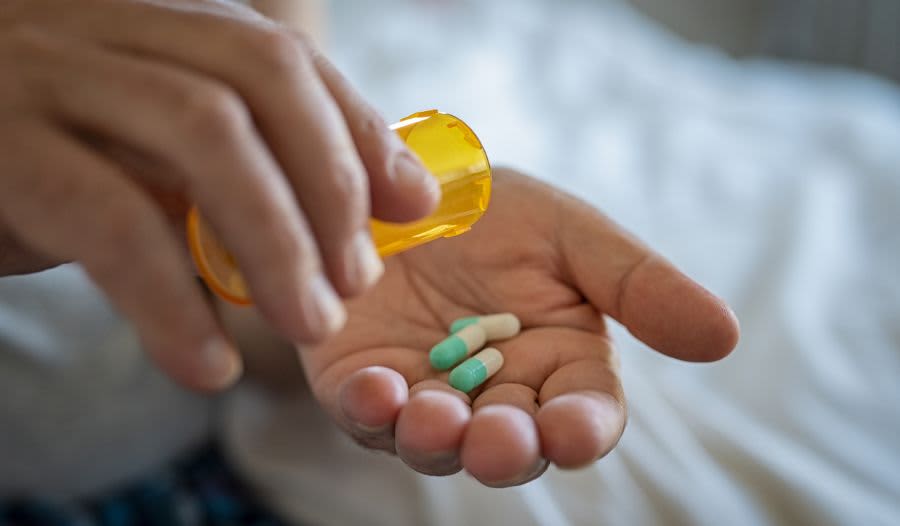
 Table of Contents